

Revolutionizing Joint Health: The Science and Promise of Knee Cartilage Replacement Gel
Introduction
Millions of people worldwide suffer from knee cartilage damage, often dealing with pain, stiffness, and trouble moving. While traditional treatments can bring relief, they rarely restore the knee ’s natural strength and flexibility. That’s why a new innovation—knee cartilage replacement gel—is capturing so much attention. This next-generation treatment promises longer-lasting and more complete repair. In this post, we’ll break down how the gel works, the benefits it offers, and what the future might hold for those with knee injuries .
Why Is Knee Cartilage Damage So Hard to Heal?
Cartilage is the smooth, rubbery tissue that cushions the ends of bones and helps joints move smoothly. When this tissue is damaged—whether by injury, overuse, or conditions like osteoarthritis—the result is pain and reduced mobility . Unfortunately, cartilage doesn’t heal well on its own because it has no direct blood supply. Existing treatments, from surgery to grafts, usually offer only temporary help and rarely bring back full cartilage health. Recent research has underscored just how closely bone and cartilage changes are connected in the knee, and how serious cartilage degradation can be for long-term joint health. That's why scientists are striving to create new treatments that actually help the knee regenerate and heal, rather than simply patching the problem.
What Is Knee Cartilage Replacement Gel and How Is It Made?
The new cartilage replacement gel is designed to mimic natural cartilage in both structure and function. It’s made from substances like hyaluronic acid and collagen—components that are already found in healthy joints. These materials make the gel strong enough to cushion the knee while remaining flexible so the joint can move freely. Through careful engineering, researchers have created a gel with the right balance of durability and flexibility, helping it both protect the knee and support natural movement during healing.
How Does the Gel Repair Damaged Cartilage?
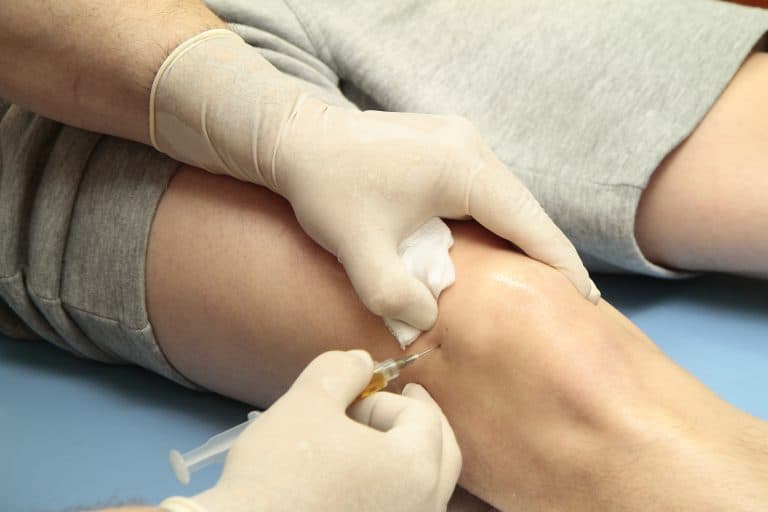
Unlike simple implants or temporary fixes, the gel acts as a scaffold that helps the body repair itself. When applied to damaged knee cartilage , it provides a soft framework where cartilage cells (chondrocytes) can attach, grow, and multiply. At the same time, the gel supports the body’s natural healing by encouraging the growth of new cartilage tissue and reducing local inflammation. It also attracts helpful molecules and even fosters the growth of tiny new blood vessels, setting the stage for healthy tissue to reform—much like nurturing seeds in a garden with the right soil and water.
Free non-medical discussion
Not sure what to do next?
Information only · No medical advice or diagnosis.
What Benefits Does This Gel Offer Patients?
The advantages are clear and increasingly well-documented. Patients treated with the gel often report less pain, faster recovery, and better knee movement —even when their cartilage damage is severe. Because the gel is applied using less invasive techniques and works alongside the body’s natural tissue, recovery is usually quicker and easier than with traditional surgeries. Most importantly, the gel supports genuine tissue regeneration —not just short-term repair—meaning the effects tend to last longer. Clinical studies suggest that early, effective intervention like this gel can prevent the spiral of further cartilage breakdown that often leads to worsening knee problems and even joint replacement .

Real-World Results and Next Steps in Research
People who’ve undergone treatment with cartilage replacement gel frequently share stories of lasting pain relief and restored movement. While results vary, the gel is consistently proving to be safe and effective across different kinds of cartilage injuries and patient backgrounds. Scientists are actively working to refine the formula, learn which patients benefit most, and combine it with other therapies—ensuring even better outcomes in the future. The growing interest in more natural, regenerative methods highlights just how promising this approach is.
The Future of Knee Cartilage Gel: What’s Coming Next?
Looking ahead, researchers see huge potential in combining the replacement gel with other advanced treatments, such as stem cells or growth factors, to supercharge healing. However, making the gel widely available will also mean solving challenges like scaling up production, getting necessary regulatory approvals, and ensuring fair access for patients everywhere. As medicine moves toward more personalized and restorative treatments, these innovations could revolutionize care for people with knee problems .
Conclusion
Knee cartilage replacement gel represents a major leap forward in joint care. With thoughtful design and solid science behind it, the gel not only protects the joint but also helps the body rebuild itself from within. The latest studies show it can cut pain, restore function, and speed recovery—offering real hope for anyone struggling with knee cartilage damage. As research continues, this breakthrough may soon transform knee injury treatment and bring lasting relief to millions worldwide.
References
Ding, C., Cicuttini, F., & Jones, G. (2007). Tibial subchondral bone size and knee cartilage defects: relevance to knee osteoarthritis. Osteoarthritis and Cartilage, 15(5), 479-486. https://doi.org/10.1016/j.joca.2007.01.003
Schwartsmann, C. R., Spinelli, L. F., Severo da Silva, G., Farina Brunelli, J. P., Dalla Giacomassa, L., & Disconzi Barboza, L. (2019). Macroscopic analysis of the patella cartilage during total knee replacement. MOJ Orthopedics & Rheumatology, 11(3), 125-128. https://doi.org/10.15406/mojor.2019.11.00485
Metsna, V., Vorobjov, S., Lepik, K., & Märtson, A. (2014). Anterior knee pain following total knee replacement correlates with the OARSI score of the cartilage of the patella. Acta Orthopaedica, 85(4), 427-432. https://doi.org/10.3109/17453674.2014.931198
Legal & Medical Disclaimer
This article is written by an independent contributor and reflects their own views and experience, not necessarily those of London Cartilage Clinic. It is provided for general information and education only and does not constitute medical advice, diagnosis, or treatment.
Always seek personalised advice from a qualified healthcare professional before making decisions about your health. London Cartilage Clinic accepts no responsibility for errors, omissions, third-party content, or any loss, damage, or injury arising from reliance on this material.
If you believe this article contains inaccurate or infringing content, please contact us at [email protected].
London Cartilage Clinic
Modern treatments, designed for lasting knee outcomes
Every treatment plan is selected to help you return to the quality of life you deserve. Our team combines up-to-date techniques with consultant-led decision making across cartilage repair, regeneration and replacement.
What your journey can look like
Step 01
Consultant-Led Assessment
Symptoms, imaging and goals reviewed in one structured appointment.
Step 02
Personalised Treatment Plan
A clear route chosen from repair, regeneration or replacement options.
Step 03
Precision Delivery
Modern techniques and specialist equipment matched to your diagnosis.
Step 04
Long-Term Knee Health
Follow-up guidance focused on durable function and quality of life.
Will the Arthrosamid work for me
PAAG-8+ Questionnaire
A bright, structured entry point for patients exploring Arthrosamid. The questionnaire helps frame suitability, expectations, and 24-month clinical benefit discussion before a fuller consultant-led review.
Designed for shared decision-making. It does not replace specialist consultation, examination, imaging review, or formal medical advice.